
Sheer Stories
The Benefits Gap No One Talks About - and Why HR Keeps Paying For It
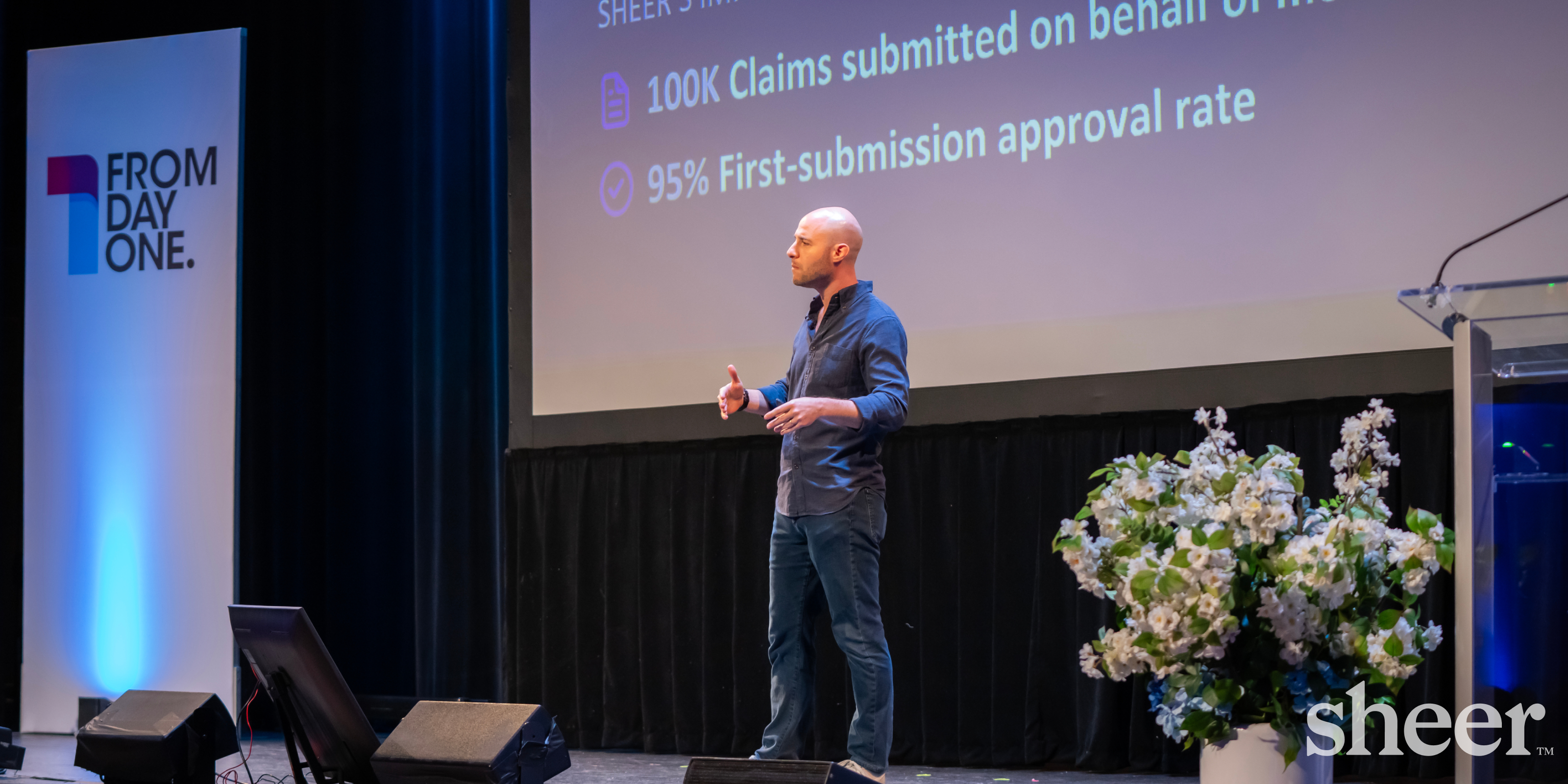
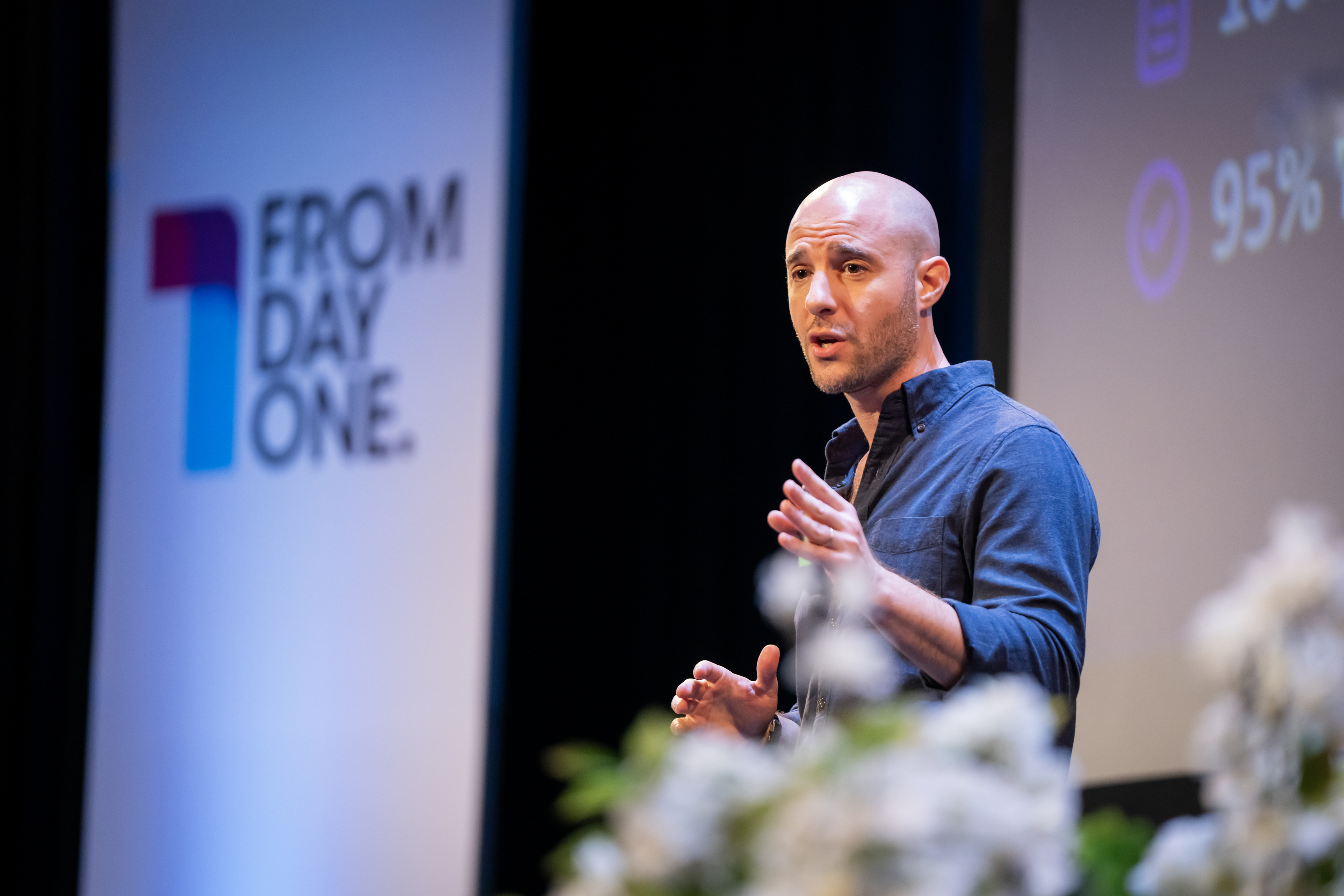
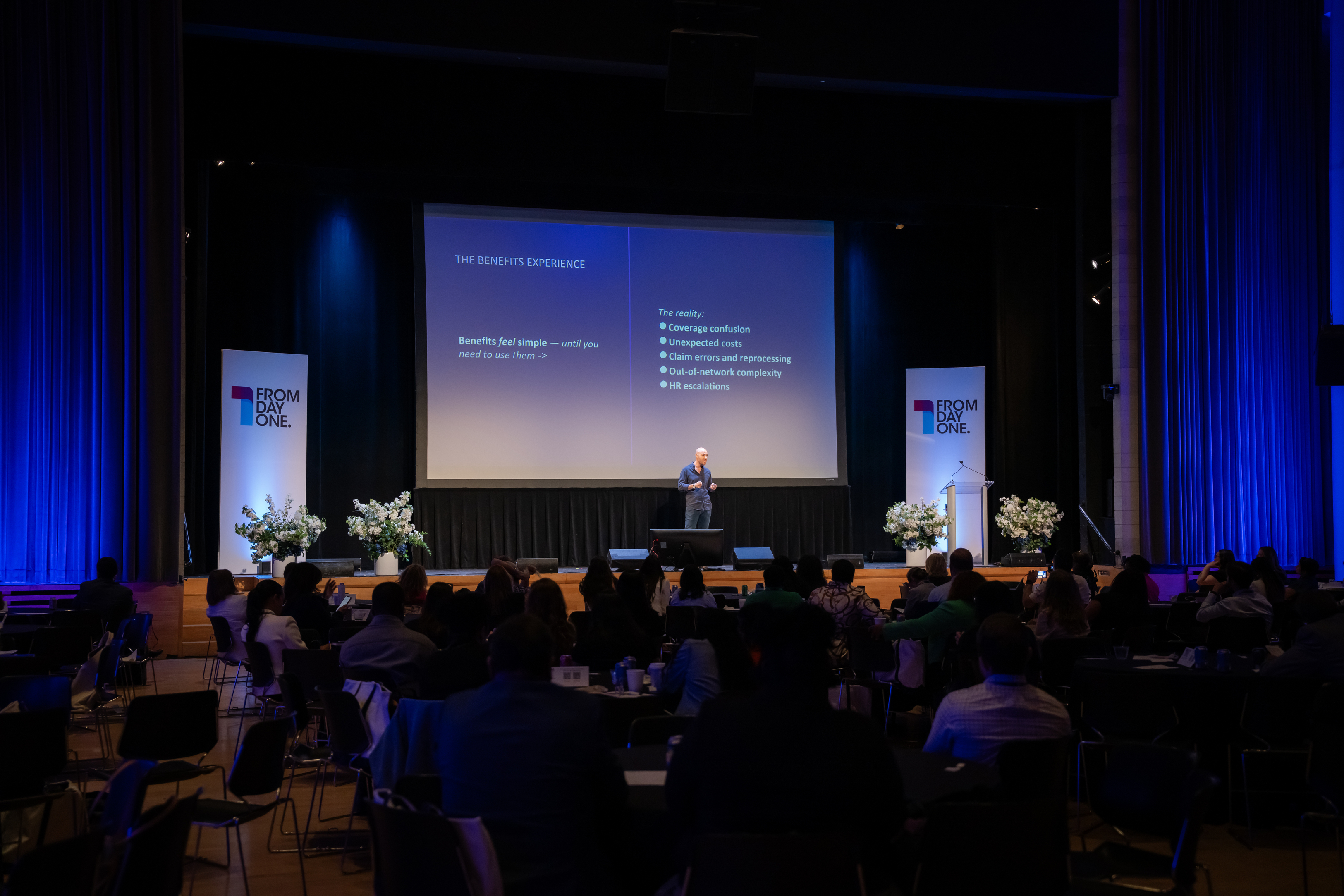
On June 16, 2026, Sheer Health co-founder Ben Howard spoke at From Day One’s annual HR leadership conference. His thought leadership session — "How Teams Lose Time and Money to Benefits Navigation, and How to Get It Back" — was part of a broader conference theme exploring how AI and rapid change are reshaping what people leaders can and should focus on.
Ben's argument cut through the noise: the problem isn't that companies offer bad benefits. It's that health insurance is so complex that employees need help navigating coverage, claims, and bills—and that burden often falls on HR.
The central argument wasn’t about benefits design or plan selection. It was about what happens after enrollment — when employees are left to figure out a complicated healthcare system on their own.
What Happens When Employees Can’t Navigate Their Health Benefits
To understand why benefits navigation matters, consider what happens when an employee faces the system alone.
Mathew Evins had chronic back pain for eight years. When his doctors determined surgery was medically necessary, his insurer denied it — and required additional physical therapy first. He completed the physical therapy. They denied it again.
What followed was seven months of gathering medical documentation, managing appeals, and coordinating between his care team and his insurance carrier, all while his doctors warned that further delays could lead to long-term complications. His story was later featured on CBS Sunday Morning as an illustration of a problem that's far more common than it should be: having health insurance doesn't guarantee access to care.
The outcome changed when Mathew had someone who knew how to navigate the system on his behalf. Sheer Health reviewed his coverage, worked with his providers, managed the appeals process, and got the surgery approved.
Most employees never get that help. They exhaust their own efforts, delay care — or they bring the problem to HR, which is the only place left to turn.
Mathew’s case isn’t rare — it’s representative of a much larger problem.
The moment benefits fragmentation becomes an HR problem isn’t when the claim is filed. It’s when the employee runs out of options.
What Is Benefits Navigation – and Why Does It Keep Landing on HR?
Benefits navigation is the work of helping employees actually access the healthcare coverage they already have. That means understanding insurance paperwork, resolving billing errors, handling claims and appeals, and translating the dense language of EOBs and plan documents into something usable.
In theory, this is the insurance company's job. In practice, it ends up with HR.
Ben described the pattern every HR leader in the room recognized: an employee sends a Slack message or stops by with a "quick question" about an unexpected bill or a denied claim. What follows is rarely quick. It becomes an investigation — pulling plan documents, calling insurers, emailing providers, reconstructing what happened across multiple systems. Thirty to sixty minutes, gone.
This is where HR time quietly disappears — in translation work that was never designed to sit with HR, but always ends up there anyway.
Health insurance friction shows up at nearly every stage of the healthcare journey—from choosing a plan during open enrollment to managing a complex diagnosis or navigating fertility treatment. In each case, employees are left to decipher complicated rules, paperwork, and coverage requirements on their own.
The issue isn't just complexity — it's that no one is connecting the dots.
A major challenge in employee benefits navigation is that important information is often spread across multiple systems, vendors, and documents. Employees may need to review plan materials, log into insurance portals, contact healthcare providers, and speak with their insurance carrier to get answers about coverage, claims, or medical bills. When they can't find clear information, those questions frequently end up with HR teams.
The Case of Getting Ahead Of It
Mathew’s story highlights the cost of reactive benefits support. Ben also highlighted what changes when organizations move from reacting to problems to preventing them.
Ben shared Sheer Health’s results across more than 1 million claims handled on behalf of members:
- 100,000+ out-of-network claims processed on behalf of members
- 95% resolved correctly on the first pass — before becoming denials, surprise bills, or HR escalations
- $20 million recovered in reimbursements and savings for members since 2023
- 75,000+ insurance questions answered
The metric that matters most isn’t just scale—it’s timing. Sheer Health reviews claims the moment they’re processed, identifying errors, resolving issues, and translating complex outcomes into clear answers before they become confusing bills, delayed care, or another escalation for HR.
That shift — from reactive support to proactive resolution — is the difference between responding to issues and preventing them altogether.
We can’t change the complexity of the system. But we can change what happens next. Sheer Health connects directly with a member’s health insurance to proactively monitor claims and bills, identifying issues early, correcting errors, and turning complex insurance outcomes into clear answers before they create frustration for employees or added work for HR.
Why This Is the Right Conversation for HR Leaders Right Now
From Day One's 2026 conference centered on a pointed question: in an era of AI and rapid change, how do people leaders focus on what actually matters?
Ben's answer: stop absorbing work that shouldn't be yours.
HR teams are asked to do more every year. Benefits complexity is growing. Employees are busier and less equipped to navigate healthcare on their own. The question isn't whether this problem will get worse — it will. The question is whether HR will keep carrying it.
The organizations moving fastest on this aren't building bigger HR teams. They're removing the burden entirely by putting a resolution layer between claim processing and the employee — one that catches issues before they escalate into tickets, escalations, or time spent on hold.
Fewer escalations. Fewer surprises. Less work coming back to HR. And a system that finally works the way people assume it already should.
FAQs About Benefits Navigation
What is employee benefits navigation?
Benefits navigation is the process of helping employees understand and actually use their health insurance — including coverage questions, claims, medical bills, prior authorizations, and appeals. It bridges the gap between having coverage and being able to access care.
Why do employees struggle to use their health insurance?
Health insurance information is spread across multiple disconnected systems: insurance portals, provider offices, employer platforms, and plan documents. Employees are expected to coordinate between all of them on their own, often while dealing with a stressful health situation. The system wasn't designed to be user-friendly.
Why do benefits questions end up with HR instead of the insurance company?
Insurers are hard to reach and slow to resolve issues. Employees turn to HR because it's faster and more human. Even though HR has no control over claims or billing decisions, they become the default support channel — spending significant time on issues that aren't really theirs to solve.
Why do health insurance claims get denied?
Most denials aren't about whether care is medically necessary — they're administrative. Missing documentation, billing code errors, prior authorization gaps, and out-of-network mismatches are common culprits. Many can be corrected or appealed, but only if someone knows how.
How much does benefits navigation cost HR teams annually?
It varies by organization size and plan complexity, but each benefits escalation can take 30–60 minutes of HR time to investigate and resolve. For a company with hundreds of employees experiencing recurring benefits questions, that can add up to dozens of hours every month — time that rarely appears as a line item, but directly impacts HR capacity.
How much time does benefits navigation take away from HR?
It varies, but a single benefits escalation — a denied claim, a surprise bill, a coverage dispute — typically takes 30 to 60 minutes to investigate and resolve. Multiply that across a workforce and it becomes a significant hidden cost, especially during open enrollment or following a major health event.
What's the difference between reactive and proactive benefits navigation?
Reactive navigation means waiting for employees to surface a problem, then troubleshooting it. Proactive navigation means monitoring claims as they're processed, catching errors early, and resolving issues before they become confusing bills or HR escalations. The difference is whether problems get solved before or after they cause frustration.
How does Sheer Health help with benefits navigation?
Sheer Health connects directly with employees' health plans to review claims as soon as they're processed. The platform catches errors, manages appeals, and translates complex insurance outcomes into plain language — so employees get clear answers and HR gets fewer inbound questions. Learn more about how it works.
See What This Looks Like for Your Team
If you’re an HR leader, benefits navigation shouldn’t be another line item on your team’s plate. It should be handled before it becomes employee confusion, escalations, or HR tickets — saving HR teams valuable time while helping employees avoid costly mistakes and get the most out of their benefits.
Every week without a resolution layer is another week of claims, questions, and confusion landing on HR’s plate.
Sheer Health connects directly with health plans to resolve issues the moment claims are processed — employees get clear answers, and HR gets fewer inbound questions.
If you’re an employee dealing with a confusing bill, a denied claim, or uncertainty about your coverage, you don’t have to navigate it alone.